
Second Portfolio
The Holistic Culture
The Holistic Culture
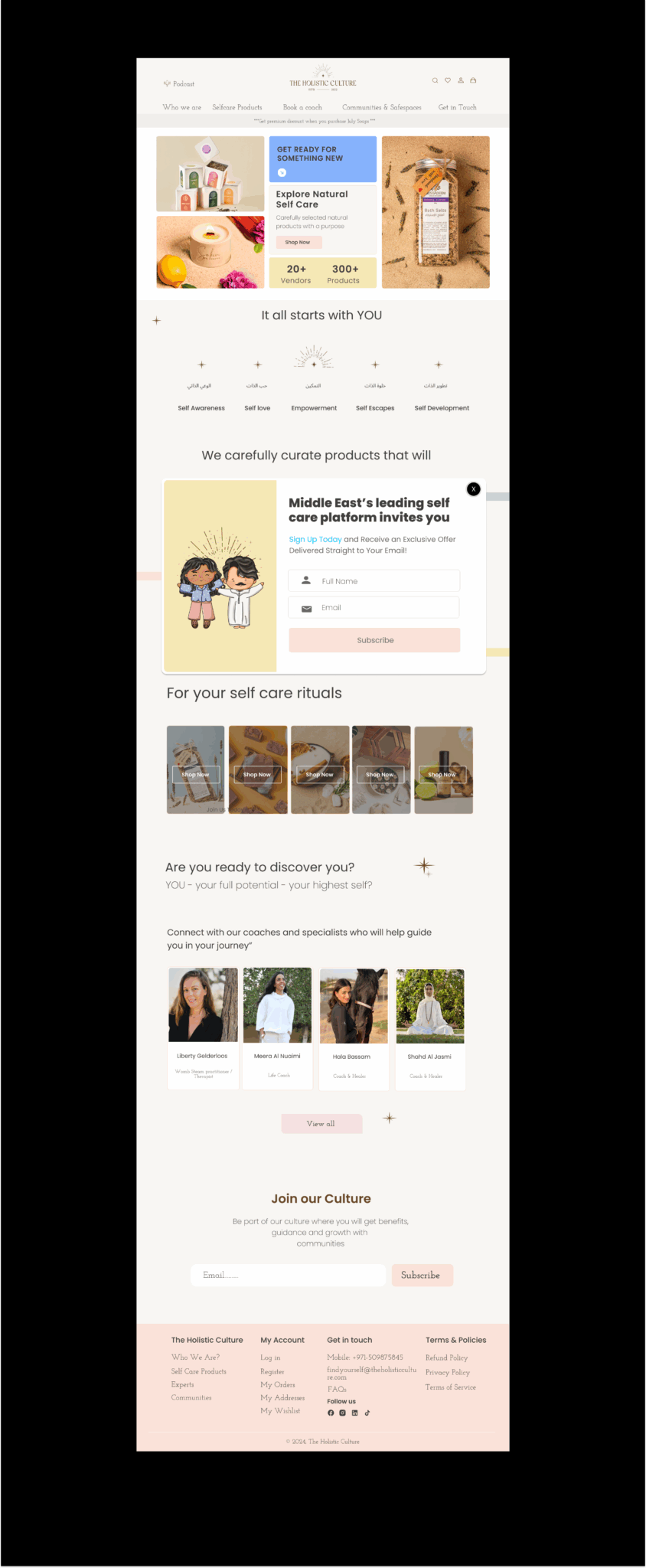
The Holistic Culture is a unique mental health platform centered on the self-care aspect of mental wellness. We believe that everyday products, when used with intention, can have a profound impact on mental well-being.
Category
UI/UX Design
Client
The Holistic Culture
Start Date
September 20, 2023
Designer
Moses Dahunsi
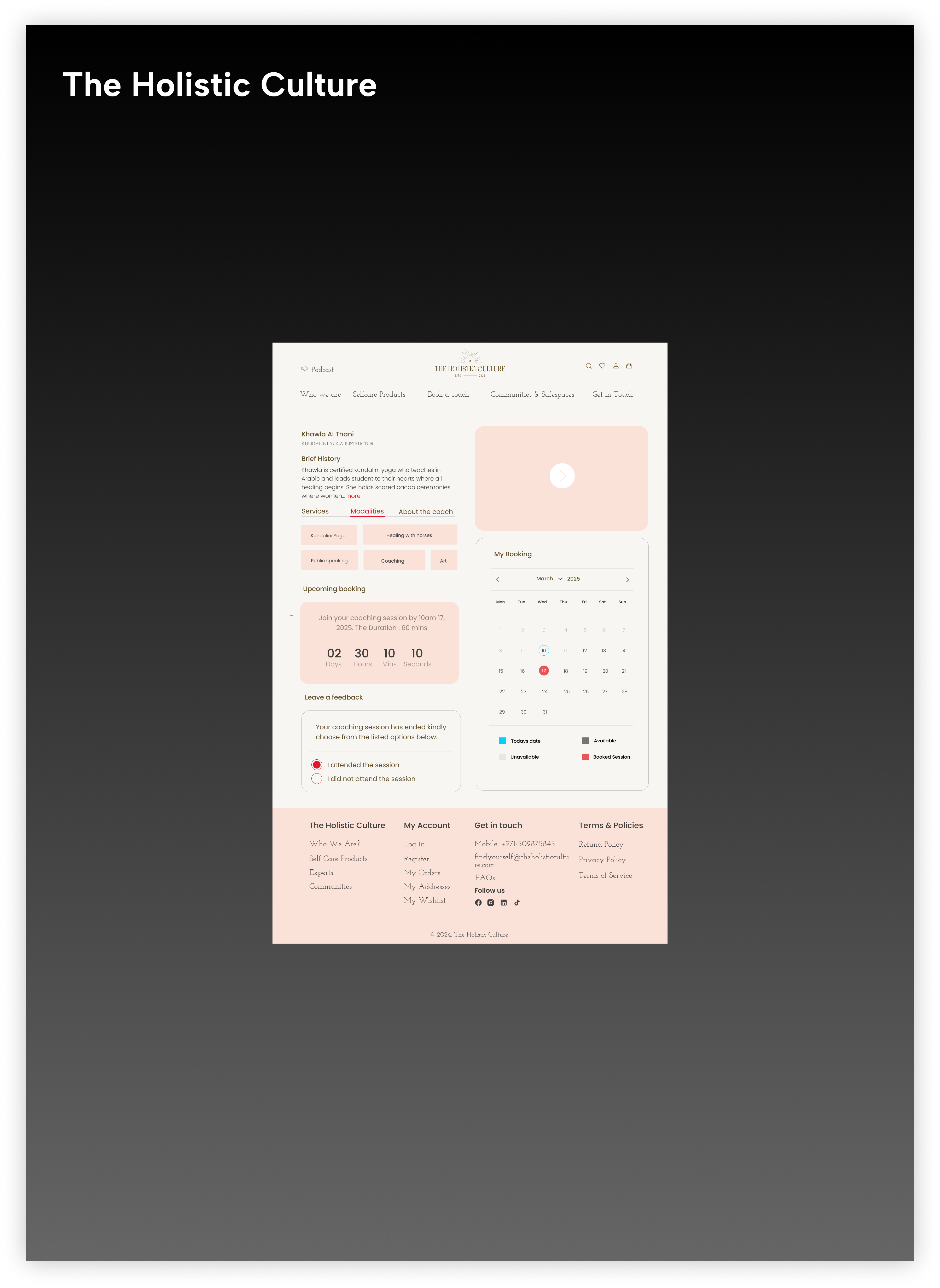
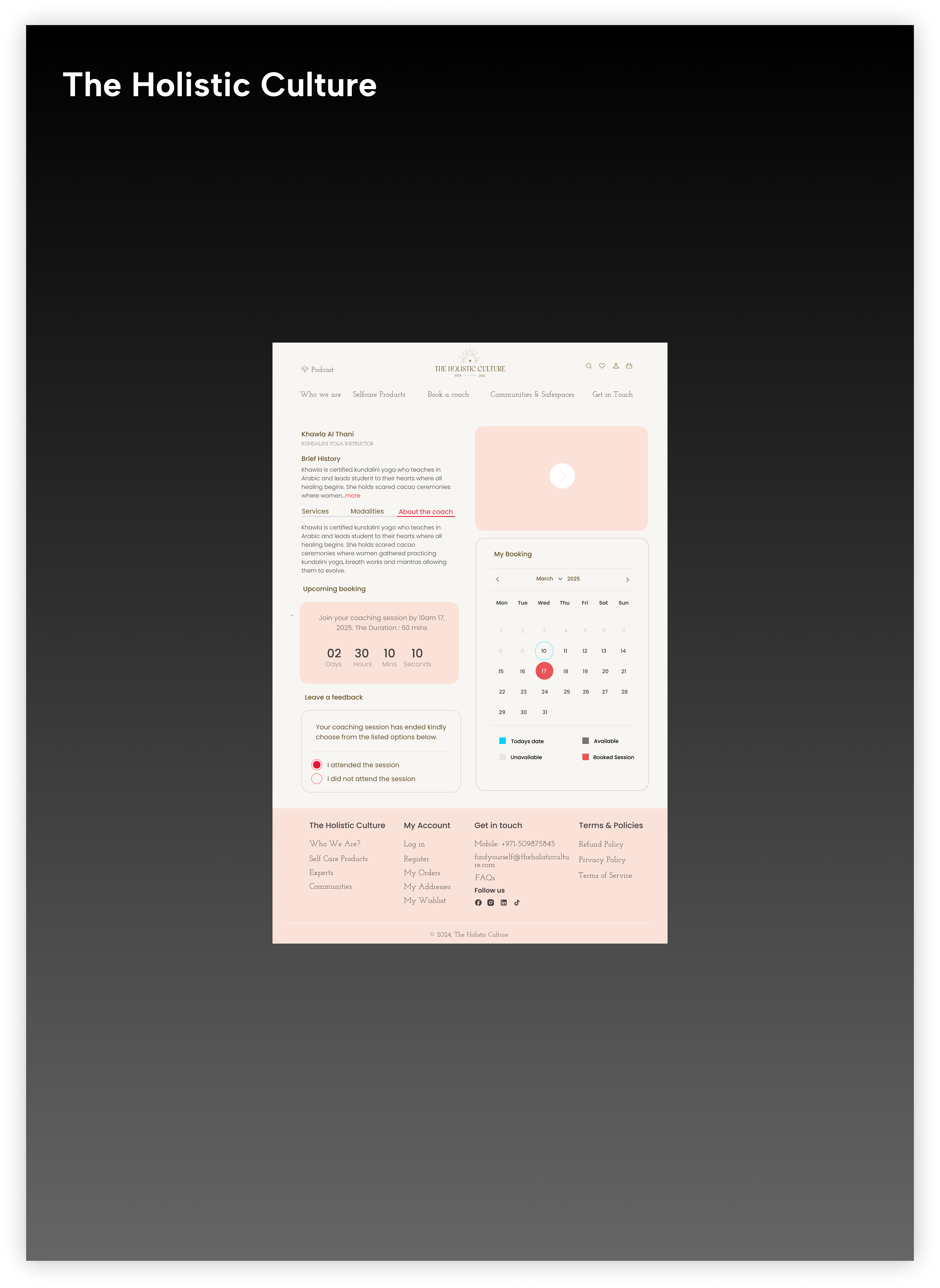
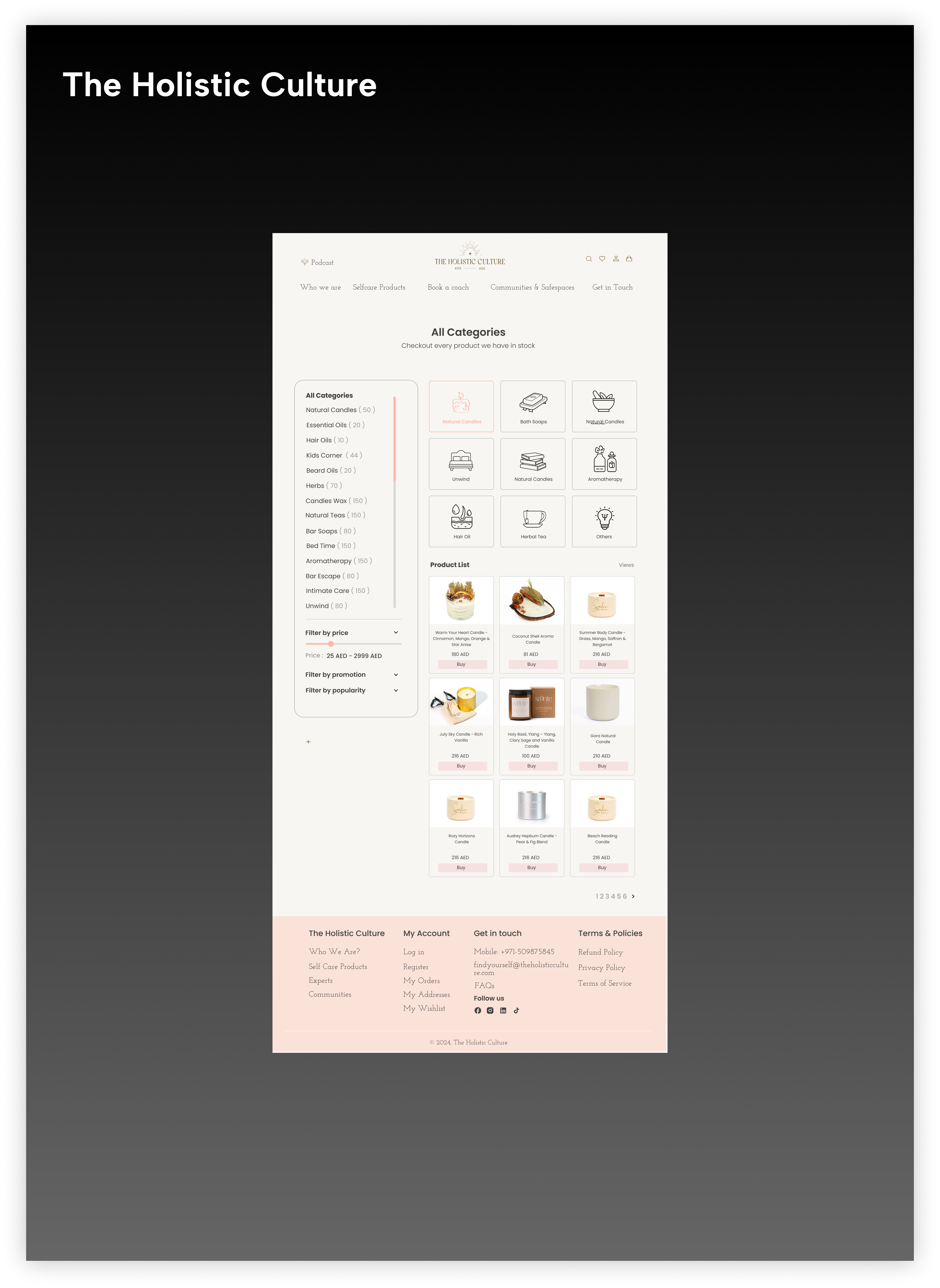
The Holistic Culture
At The Holistic Culture, we are redefining mental wellness by bridging personal well-being with organizational transformation. We recognize that mental health is not a trend—it is the foundation of human potential, innovation, and sustained success.
Our commitment is to provide authentic, results-driven solutions that support both individuals and workplaces. Through carefully curated products, expert-led coaching, and transformative experiences, we equip people with the tools to cultivate resilience, emotional intelligence, and holistic well-being. Every offering is selected with care and responsibility, ensuring real impact and lasting change.
We do not take a one-size-fits-all approach. Instead, we create spaces where individuals feel truly seen, supported, and empowered—whether they are seeking balance in their personal lives or fostering a culture of well-being within their organization. We are dedicated to setting a new standard in mental wellness—one that is meaningful, actionable, and deeply transformative.
THE STORY
Back in 2022, right here in Dubai, I was deep in the sales game when I met my current employer. She was ready to break free from the 9-to-5 grind and build something meaningful.
I was just trying to sell her a MacBook Pro—because if you’re going to chase dreams, you might as well do it with a solid machine.
While closing the deal, I casually mentioned that I build websites. You know, just planting seeds.
That led to a meeting with her and a few shareholders, and boom—fast forward to 2023, the business officially launched.
They started off with an agency, and everything looked shiny at first. But soon, things got rigid. Improvements were slow, and every little tweak came with a price tag thanks to the subscription-based setup. It was like paying rent on your own creativity.
Eventually, they reached out to me.
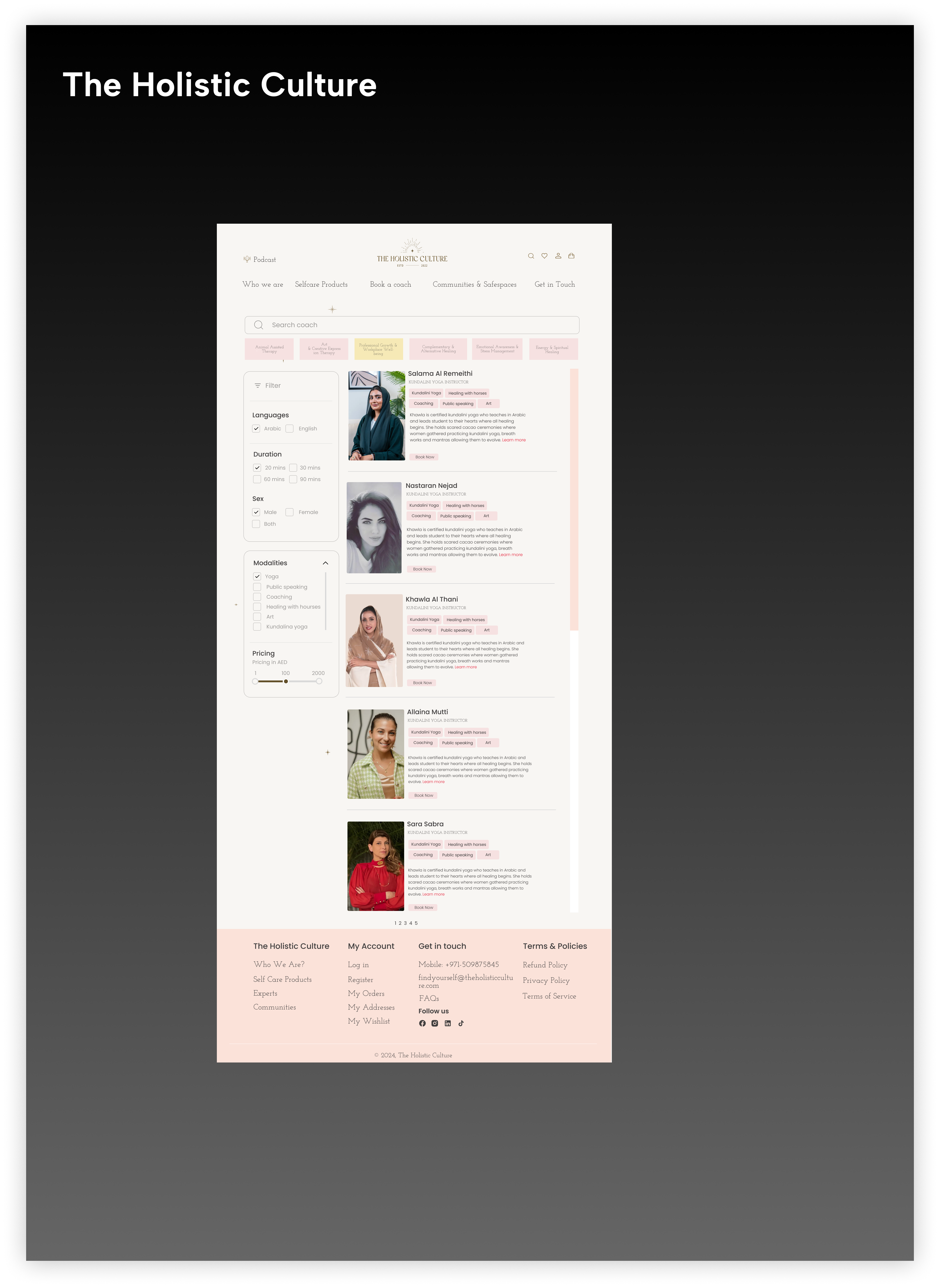
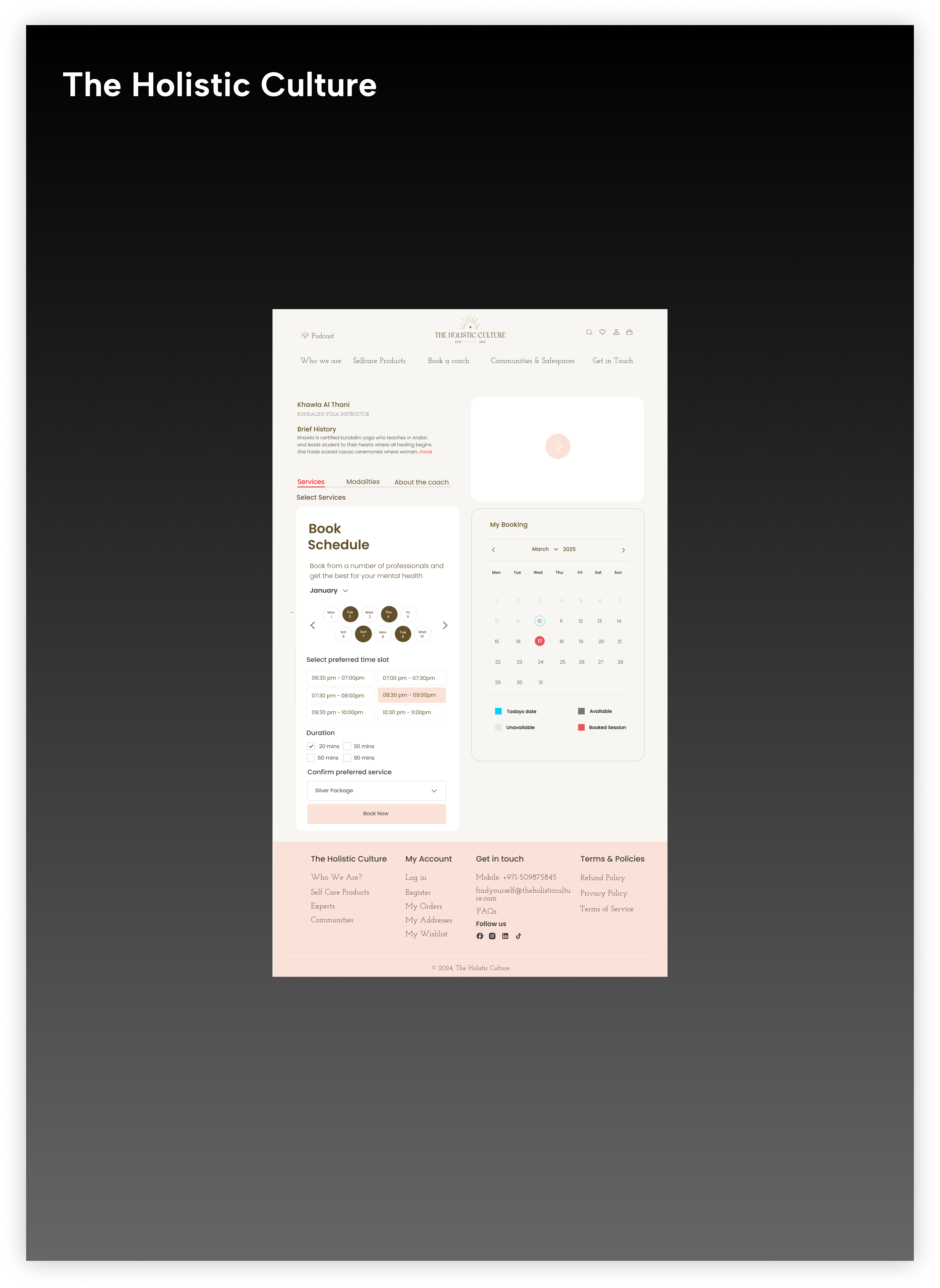
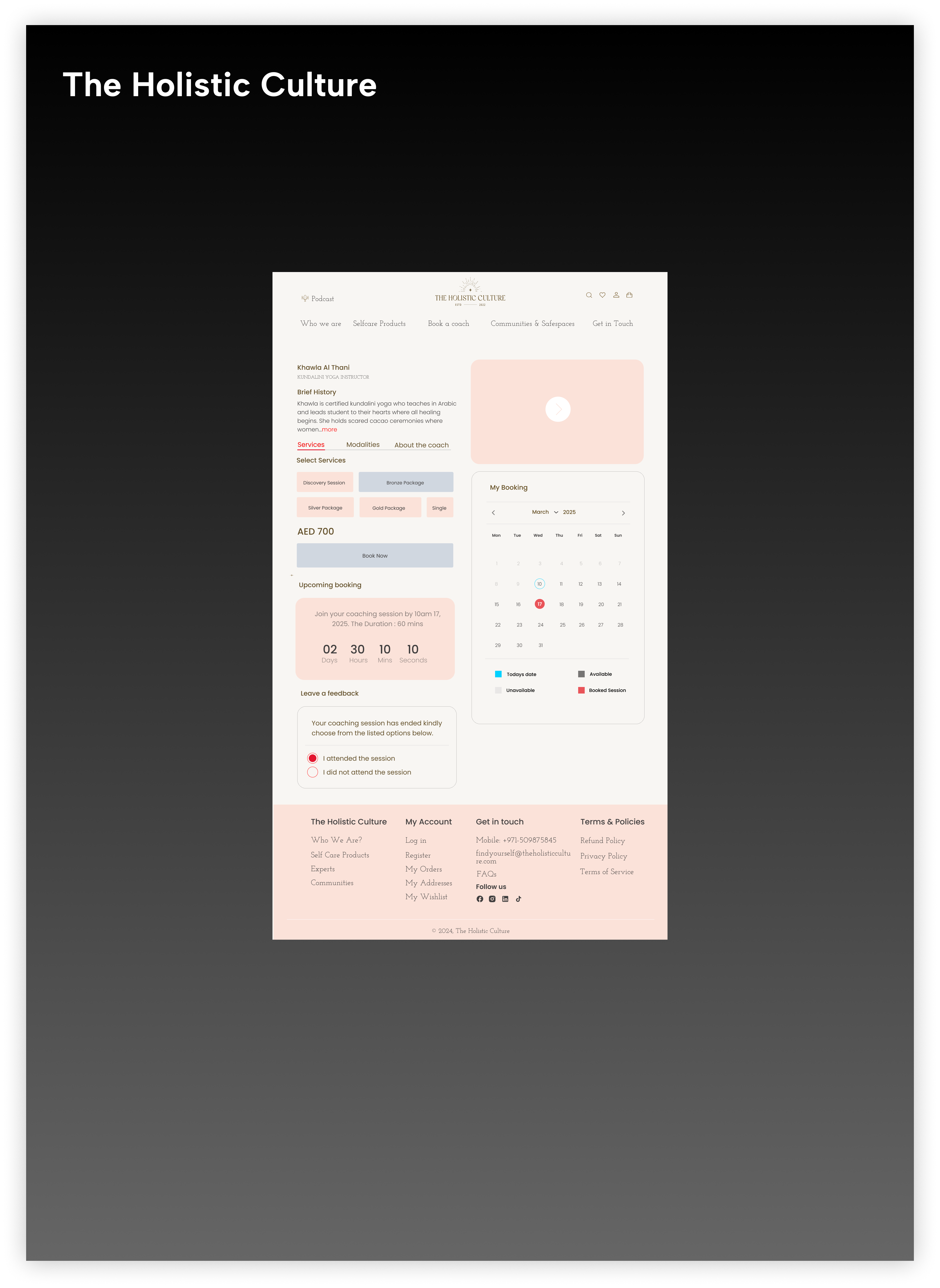
I teamed up with a developer friend, and together we rebuilt the entire website from scratch. Not just rebuilt—we customized it to fit our exact needs. We even developed our own booking system for the coaches, since the site was a hybrid of eCommerce and coaching services.
And the best part? We waved goodbye to those wild Shopify fees. No more paying premium prices just to move pixels around.
OUR APPROACH
When the agency setup started feeling like a subscription trap with zero flexibility, we knew it was time to take control. Here's how we tackled the rebuild—with two people, one vision, and a whole lot of caffeine.
1. Design-Led Strategy :
I singlehandedly crafted the entire design from scratch. No templates. No shortcuts. Just pure vision and late-night Figma marathons. While juggling a second job, I worked till 3am most nights for three months straight—because good design doesn’t sleep, apparently.
2. Talent Scouting That Paid Off
Knowing that design is only half the battle, I personally searched for a developer who could translate my vision into clean, functional code. Found the right one—and together, we built something that actually worked the way we wanted it to.
3. Lean Team, Heavy Lifting
It was just me and the developer doing the actual build. We weren’t a big team, but we moved fast and smart. Every feature was intentional, every pixel had a purpose. Our supervisor helped steer the ship, offering strategic input that kept us aligned and focused on delivering the best.
4. Custom Everything
We didn’t just rebuild—we reimagined. From the layout to the booking system for coaches, everything was tailored to fit the hybrid model of eCommerce and coaching services. No more cookie-cutter solutions or overpriced plugins.
5. Cost-Cutting Without Cutting Corners
By ditching Shopify and building our own infrastructure, we eliminated recurring fees and gained full control. It wasn’t just a redesign—it was a financial detox